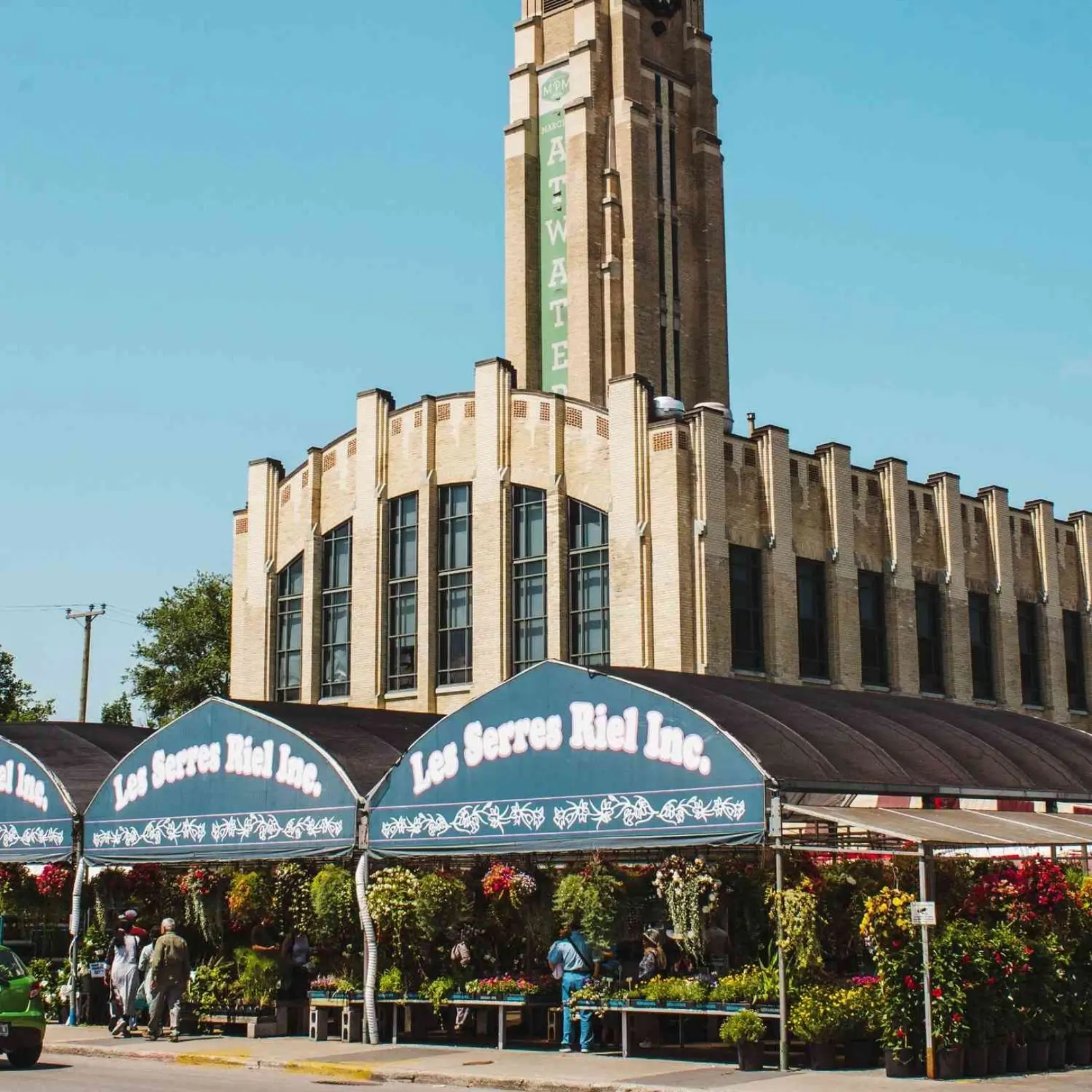
Saint-Henri is the neighbourhood that Montreal’s real estate market didn’t see coming — and then couldn’t stop talking about.
A decade ago, Saint-Henri was known as a working-class francophone neighbourhood with a gritty industrial past, a patchwork of social housing, independent art studios, and some of the most authentic Montreal street life anywhere on the island. Today, it’s one of the most desired addresses in the city for a specific and growing buyer profile: people who want urban character, proximity to the Atwater Market and the Lachine Canal, a genuine community that hasn’t been scrubbed clean by gentrification, and access to all of downtown Montreal within a bike ride.
The tension between Saint-Henri’s roots and its present trajectory is real — longtime residents and community organizations have legitimate concerns about displacement, and the neighbourhood’s identity is genuinely contested. For buyers approaching it honestly, Saint-Henri is a neighbourhood in genuine transformation, where the value opportunity is real, the lifestyle is excellent, and the character is unlike anywhere else in the city.
The Saint-Henri Character
Saint-Henri’s identity is built on layered history. The canal-era industrial boom of the 19th and early 20th centuries made it a centre of manufacturing and working-class life. The post-industrial decline left empty factories and underinvestment. The cultural reclamation — studios, galleries, music venues, community gardens — happened organically, driven by artists and young people who found the low rents and raw spaces ideal. The real estate boom followed as the neighbourhood’s cultural credibility attracted buyers who wanted what the artists had created.
Today’s Saint-Henri is all of those things simultaneously. You’ll find century-old duplexes next to converted loft condos. The Atwater Market draws culinary tourists and local chefs on weekday mornings. The rue Notre-Dame commercial strip has new restaurants opening monthly. The Lachine Canal path runs along the northern edge of the neighbourhood, connecting south-west Montreal’s best cycling corridor to the Old Port. And underlying all of it, the social character of a neighbourhood that has absorbed waves of change without losing its bone structure.
The Atwater Market deserves specific mention. One of Montreal’s two grande halle public markets (with Jean-Talon), Atwater is housed in a landmark 1933 Art Deco market hall and surrounded by permanent vendor stalls. Flowers, local produce, Quebec cheeses, charcuterie, wine — it’s a year-round market that functions as both a food destination and a community hub. For food-oriented buyers, having the Atwater Market within cycling distance is a major quality-of-life asset.
Saint-Henri Housing Stock
Heritage Duplexes and Triplexes
The classic Saint-Henri product. Two and three-unit plexes in the Montreal vernacular — brick and stone facades, exterior staircases, ground-floor and upper apartments. These buildings date primarily from the late 19th to mid-20th century and have the architectural character of genuine Montreal heritage. Many have been renovated (some sympathetically, some not), and the best examples combine original architectural bones with updated interiors. For owner-occupants who want income property with character, this is the primary product.
Industrial Loft Conversions
Saint-Henri’s industrial heritage has produced some of the most spectacular conversion condos in Montreal. Former factories and warehouses along the canal corridor and rue Notre-Dame have been converted to residential lofts with concrete floors, timber beams, 12-foot ceilings, and industrial window systems. These properties attract a specific buyer — the design-conscious urban professional who wants to live in a space that can’t be replicated in new construction — and they command premiums reflecting their uniqueness.
New Construction Condos
The neighbourhood’s commercial revitalization has been accompanied by condo development. New purpose-built buildings, particularly near the Lionel-Groulx and Georges-Vanier metro stations, have brought contemporary units to a neighbourhood previously dominated by older stock. These serve buyers who want Saint-Henri’s location and lifestyle without the complexity of an older building.
Single-Family Detached (Limited)
A small segment. Saint-Henri is densely urban, and detached homes are uncommon. When they appear, they attract strong interest.
Saint-Henri Real Estate Market
Current Market Snapshot
| Property Type |
Approximate Price Range |
Notes |
| Duplex (owner-occupied) |
$700,000 – $1,100,000 |
Core income property market |
| Triplex |
$900,000 – $1,400,000 |
Strong investor demand |
| Loft conversion condo |
$450,000 – $900,000 |
Character premium; unique supply |
| New construction condo |
$380,000 – $750,000 |
Active development; price range wide |
| Single-family detached |
$900,000 – $1,500,000 |
Very limited; premium |
Saint-Henri has appreciated significantly over the past decade and prices have reset to reflect the neighbourhood’s recognized desirability. But compared to Verdun (which has completed more of its gentrification cycle) or NDG, there is still value to capture for buyers entering the market.
Market Trends
- Loft conversions remain unique and durable. The supply of convertible industrial space is finite and the product it creates — heritage loft condos — cannot be replicated. These properties hold value well.
- Plex demand is strong. Saint-Henri’s rental market is active and diverse, supporting income property returns.
- Commercial vibrancy is still accelerating. Rue Notre-Dame Ouest is still in a period of active restaurant and retail development. The neighbourhood’s commercial character in 3–5 years will be even more developed than today, which supports ongoing residential appreciation.
- Heritage displacement pressure is real. Long-term tenants and affordable housing are being displaced by market forces. This creates community tension and is a legitimate consideration for buyers assessing the neighbourhood’s social trajectory.
Schools in Saint-Henri
English Schools (EMSB): Saint-Henri is served by the English Montreal School Board for English public education. Elementary options within or near the borough include EMSB schools accessible from the neighbourhood. English secondary students typically access schools in adjacent boroughs.
French Schools: Commission scolaire de Montréal serves the primarily francophone population with multiple schools in or near Saint-Henri.
Proximity to the university corridor — Saint-Henri’s central location means Concordia’s downtown campus, McGill’s main campus, and UQAM are all within a short metro or cycling trip. This matters to students and academics who want to live in the neighbourhood without a long commute to their campus.
Lifestyle and Things to Do
Atwater Market — the anchor. Year-round indoor-outdoor market in a stunning 1933 Art Deco hall. Flowers, vegetables, artisan cheeses, butchers, bakeries, and the social ritual of weekend market visits that unites the neighbourhood’s new and old residents equally.
Lachine Canal Cycling Path — the northern edge of Saint-Henri runs along the Lachine Canal, and the 14.5-kilometre cycling path connecting to the Old Port and Lac Saint-Louis is accessible within a few minutes of most Saint-Henri addresses. Summer cycling here is genuinely excellent.
Rue Notre-Dame Ouest — the evolving commercial spine. New restaurants and cafés continue to open alongside long-established businesses. In the next few years, this street will be one of the more interesting dining corridors in the city.
Arts and Music — Saint-Henri has a genuine arts community: recording studios, artist studios, small galleries, independent music venues. The creative community hasn’t entirely been displaced, and its presence is palpable in the neighbourhood’s culture.
Parc Marguerite-Bourgeoys and other local parks provide green space within the dense urban fabric.
Nightlife Proximity — the neighbourhood is immediately southwest of downtown Montreal and the entertainment districts. Everything is accessible by bike or metro in 15 minutes.
Getting Around
By Metro: The Lionel-Groulx station (Green and Orange Line interchange) is the major transit hub for Saint-Henri, providing connections to downtown and across the network. Georges-Vanier station also serves the neighbourhood. Downtown Montreal is 10–15 minutes by metro.
By Bus: STM routes cover the neighbourhood thoroughly.
By Bike: Saint-Henri is one of Montreal’s most bike-friendly residential neighbourhoods in terms of cycling culture and infrastructure. The canal path is literally the northern edge of the neighbourhood. Cycling to downtown, NDG, Verdun, or Lachine is entirely practical.
By Car: Highway 20 and the Ville-Marie Expressway are accessible, providing car connections to the rest of the island. Downtown is 10–20 minutes by car.
Why Buy in Saint-Henri with Elite Real Estate Group
Saint-Henri’s market has specific complexity. Older buildings — particularly the loft conversions and century-old plexes — require careful due diligence on structure, electrical systems (knob-and-tube is a reality in older buildings), plumbing, and foundation. Understanding what you’re actually buying in a building from 1910 or a conversion from a 1940s factory is essential to making a sound purchase.
Beyond due diligence, understanding which properties represent genuine value versus gentrification-premium pricing requires being in this market consistently. Elite Real Estate Group covers Montreal Island’s urban and transitional markets with the analytical depth and on-the-ground presence this kind of purchase demands.
Talk to us about Saint-Henri.
FAQ: Saint-Henri Real Estate
Is Saint-Henri safe to buy in?
Saint-Henri has crime statistics that vary by block — as in most urban Montreal neighbourhoods, proximity to the canal corridor and established residential streets is safer than peripheral or high-poverty areas. The overall trajectory is improving as investment and commercial activity increase. Any buyer should do address-specific research on the neighbourhood’s safety profile, and a physical visit at different hours of day is always worthwhile.
What is the average home price in Saint-Henri?
Duplexes (the most common purchase) range from $700,000 to $1.1 million. Loft conversions vary widely — from $450,000 for a 1-bedroom in an older building to $900,000 for a dramatic large-format heritage conversion. New construction condos start around $380,000. Single-family detached homes are rare and premium when they appear.
How is Saint-Henri different from Verdun?
Both are southwest Montreal boroughs experiencing gentrification, but at different stages and with different characters. Verdun’s gentrification is more advanced — prices are higher, commercial strips are more developed, and the residential character is more established. Saint-Henri has more raw character, more industrial heritage, and is earlier in its trajectory — which means more rough edges but also more opportunity. The canal and Atwater Market give Saint-Henri assets that Verdun can’t replicate.
Is a loft condo a good investment in Saint-Henri?
Generally, yes — heritage conversions have proved durable in value relative to generic new construction. The supply is finite, the character is irreproduceable, and tenant demand for industrial loft spaces is strong among the creative professional demographic. Caveats: older buildings have maintenance complexity, and not all conversions were done to the same standard. Professional inspection is essential.
What’s happening with gentrification and displacement in Saint-Henri?
It’s real and contested. Long-term tenants and lower-income families are experiencing displacement pressure as rents and property values rise. Community organizations are active and vocal about it. As a buyer, you can acknowledge this dynamic honestly without guilt — but understanding it gives you a complete picture of the neighbourhood’s social character and the political environment around housing. Some buyers find this context important to their decision; others separate investment decision from social commentary. Both approaches are legitimate.
Explore Neighbouring Communities
Last updated: March 2026 | Elite Real Estate Group — eliterealestategroup.com
Interested in Saint-Henri? Our team can help.
Soil and foundation due diligence
For older Montreal and West Island homes, buyers should understand soil, drainage, foundation and slab risk. SIGÉOM can help with geological context, but it does not replace an engineer when cracks or movement appear.
What home inspectors miss in Quebec · SIGÉOM Quebec